Is It Normal for My Pet to Scratch So Much?
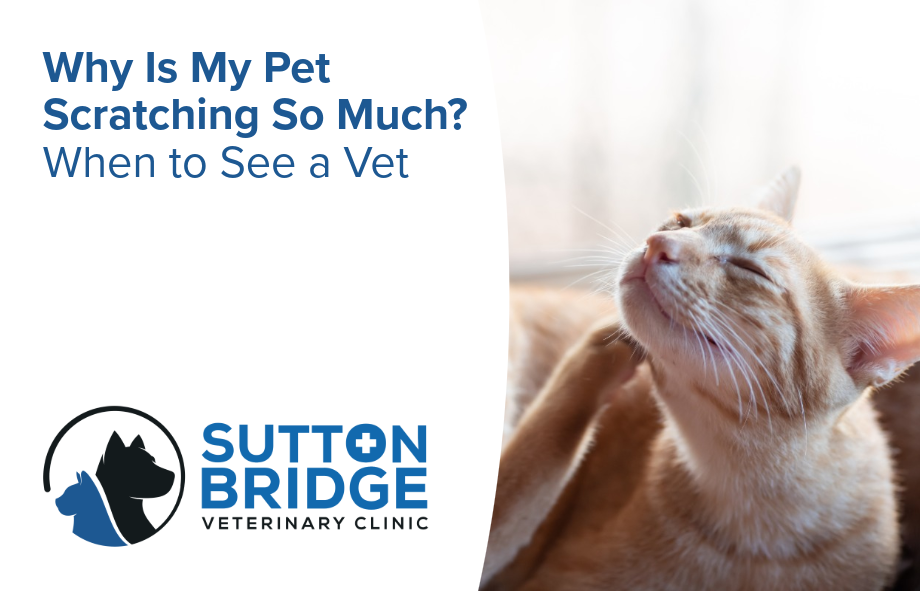
Every pet has the occasional itch. A quick scratch behind the ear or a little nibble at a paw is usually nothing to panic about. But if your pet is scratching, licking, chewing or rubbing more than usual, it is often a sign that something is irritating their skin.
Itchy skin can make pets miserable. It can also lead to sore patches, broken skin and infection if it is left untreated. The tricky part is that many different problems can look very similar, so it is not always easy to know what is causing the itch at home.

Common Reasons Pets Scratch, Lick or Chew
Fleas are one of the most common causes of itching in dogs and cats. Some pets are especially sensitive to flea bites, so even one or two fleas can trigger a big reaction. You might notice scratching around the back end, small scabs, hair loss, or tiny black specks of flea dirt in the coat.
Allergies can also cause ongoing itchy skin. Dogs and cats can react to things in their environment, such as pollen, grass, dust mites or mould. Some pets may also have food-related skin flare-ups, although these need proper veterinary investigation rather than guesswork or sudden diet changes.
Mites, lice, ringworm, wounds, skin infections and hot spots can all cause itching too. In rabbits, scratching around the ears, head shaking, dandruff, fur loss or sore skin should always be taken seriously, as skin and ear problems can become uncomfortable quickly.
Signs Your Pet’s Itching Needs a Vet Check
It is best to book a vet appointment if your pet is scratching more than usual, especially if the problem lasts more than a day or two, keeps coming back, or seems to be getting worse.
You should also speak to your vet if you notice redness, scabs, bald patches, greasy or flaky skin, a bad smell, swelling, bleeding, discharge, head shaking, sore ears, paw chewing, overgrooming, or changes in your pet’s mood or sleep. These signs can point towards infection, parasites, allergy-related skin disease or another underlying issue.
More urgent help is needed if your pet seems very uncomfortable, has rapidly spreading sore skin, is scratching until they bleed, has swelling around the face, or seems unwell in themselves.
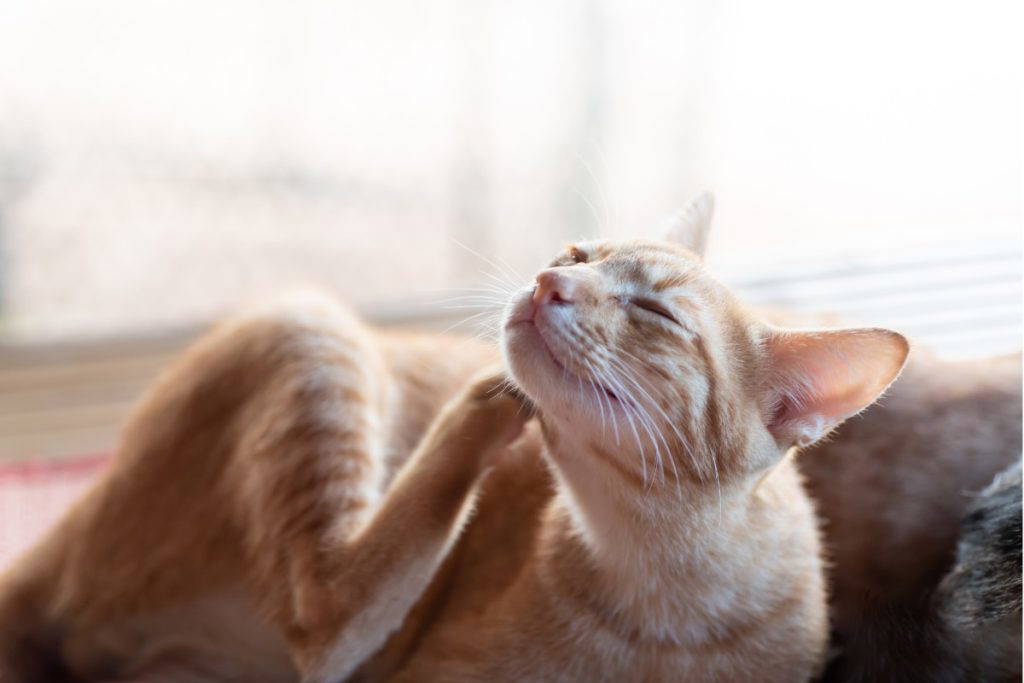
Why It’s Best Not to Guess the Cause of Scratching
It can be tempting to try a shop-bought treatment or change your pet’s food straight away, but itchy skin is not a one-size-fits-all problem. Using the wrong product can delay proper treatment, and some dog parasite treatments can be dangerous for cats.
Your vet can examine your pet’s skin and coat, check for fleas or mites, look for signs of infection, and advise whether further tests are needed. They can also recommend safe, effective treatment based on your pet’s species, age, weight, lifestyle and health history.
What can I do at home?
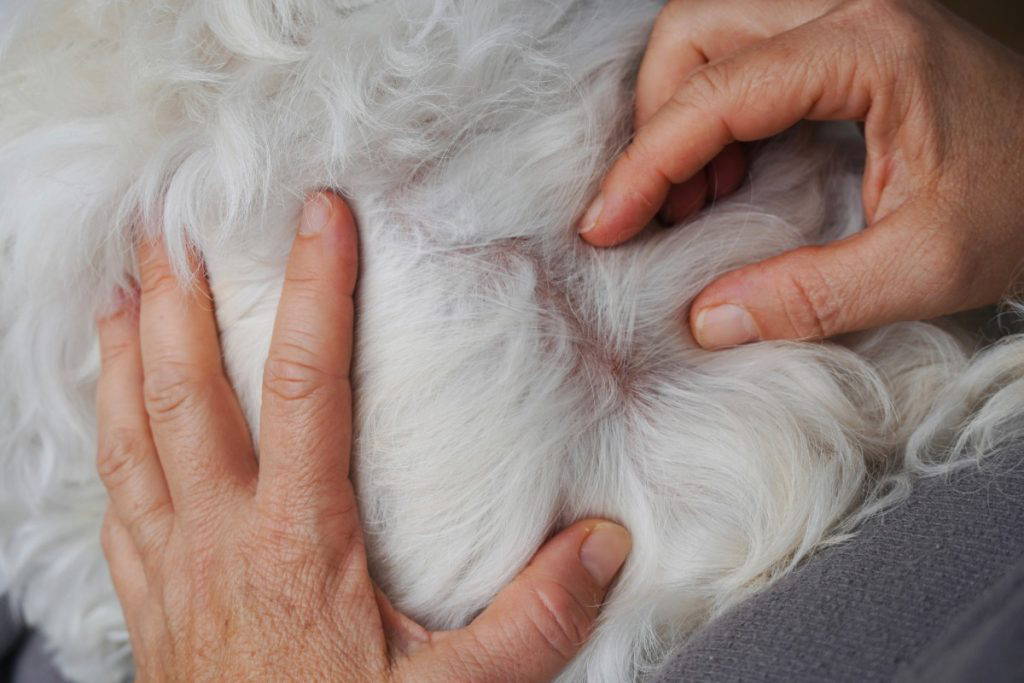
There are some simple steps that can help while you arrange advice. Check your pet’s coat for flea dirt, scabs, redness or bald patches. Wash bedding regularly, vacuum carpets and soft furnishings, and keep grooming gentle so you do not make sore skin worse.
Avoid using human creams, essential oils or old medications without veterinary advice. If your pet already has parasite protection, check when it was last given and whether it was prescribed for their current weight and lifestyle.
A Note on Flea and Parasite Prevention

Regular parasite protection is important for many pets, but the best approach should be tailored to the individual animal. Indoor cats, outdoor cats, dogs who swim, pets living with young children, and pets who hunt or scavenge may all have different risk levels.
The Sutton Bridge Pet Club can help make routine preventive care easier to manage, including parasite protection where appropriate. If your pet is scratching, our team can check whether fleas or other parasites could be involved and advise on the most suitable treatment plan.
Worried About Your Pet’s Scratching?
Scratching, licking, chewing or overgrooming can be a sign that your pet’s skin is irritated, sore or uncomfortable. The sooner we check what’s causing the itch, the sooner we can help your pet feel more comfortable.
If your dog, cat or rabbit is scratching more than usual, book a skin check with our team. We’ll help get to the bottom of the problem and recommend the right next step for your pet.
Call us on 01406 835 835 or use the button below to book an appointment.
FAQs About Itchy Skin in Pets
Yes. Fleas can be hard to spot, especially in thick coats or if your pet is grooming a lot. Flea dirt, scabs and scratching around the back end can all be clues.
Possibly, but food allergies are only one potential cause of itchy skin. Speak to your vet before changing diets, as a proper food trial needs to be planned carefully.
Ask your vet first. The safest choice depends on your pet’s species, weight, health, lifestyle and existing treatment history.