
As the days get shorter and temperatures drop, you might notice your pet taking a little longer to get up, slowing down on walks or hesitating before jumping onto the sofa. It is easy to put these changes down to the colder weather or getting older. However, they can also be signs of joint pain or arthritis.
Arthritis, also known as osteoarthritis, is a long-term condition that affects the joints. It can cause pain, inflammation and reduced movement. It is commonly associated with older pets, but younger animals can also develop joint problems, particularly if they have had an injury or an underlying joint condition.
Winter does not cause arthritis, and not every pet with arthritis will feel worse when the weather turns cold. However, colder conditions and changes to daily routines may make stiffness and discomfort more noticeable. The good news is that there are plenty of ways to support your pet’s mobility and quality of life throughout the colder months.
How can you tell if your pet has arthritis?
Pets rarely show joint pain in the same way people do. Some may limp, but others simply change their habits. Look out for small differences in how your dog or cat moves, behaves and manages everyday activities.
Signs of arthritis and reduced mobility in dogs can include:
- Taking longer to stand up after resting or sleeping.
- Limping, stiffness or a shortened stride, particularly after rest.
- Being reluctant to jump into the car, climb stairs or get onto furniture.
- Slowing down on walks, lagging behind or turning back sooner than usual.
- Finding it harder to play, run or get comfortable.
- Being less sociable, unusually irritable or sensitive when touched around a sore area.
Cats can be particularly good at hiding pain. Rather than an obvious limp, you may notice that your cat:
- No longer jumps onto favourite chairs, beds or windowsills.
- Uses stairs less often or chooses lower resting places.
- Seems less keen to play, explore or go outside.
- Has difficulty getting into a litter tray or grooming hard-to-reach areas.
- Develops a scruffier coat, overgrown claws or toileting changes.
- Becomes withdrawn or reacts differently when handled.
These signs can have several causes, so it is important not to assume that arthritis is responsible. If you notice a change in your pet’s movement or behaviour, arrange a check with your vet. A short video of your pet walking, getting up or using the stairs at home can also be helpful, especially if their symptoms are not obvious during an appointment.

Why might winter make joint stiffness more noticeable?
Cold weather can mean less time outdoors, shorter walks and more time curled up in one spot. After a long rest, a pet with painful joints may feel particularly stiff when they first get moving. Wet or slippery paths can also make walking less comfortable and increase the risk of slipping.
It is worth remembering that the weather is not the cause of osteoarthritis. Joint changes can develop over time due to factors such as age, previous injury, joint development and body condition. If your pet seems less mobile in winter, it is a useful prompt to look more closely at their comfort rather than simply waiting for warmer weather.
5 ways to support your pet’s mobility this winter:
1. Keep them warm, dry and comfortable
Give your pet a warm, draught-free place to rest, with supportive bedding that is easy to get in and out of. Keep beds away from cold floors and damp areas. A well-fitting dog coat may help some dogs stay comfortable outdoors, particularly those with short coats, low body fat or reduced tolerance of the cold. Make sure it does not restrict movement.
If your pet gets wet on a walk, dry them gently when you get home. Avoid placing hot water bottles or heated pads directly against their skin, as pets can burn themselves. Only use pet-safe products as directed and make sure your pet can move away from the heat.
2. Make your home easier to navigate
Small changes around the house can make a big difference. Slippery floors can be difficult for pets with sore joints, so place non-slip rugs or runners along their usual routes. Consider a ramp or low steps to help them reach favourite spots, and try to reduce the need to jump on and off furniture.
For cats, make sure food, water and resting places are easy to reach. Choose a litter tray with a low entry point and place it somewhere accessible. Avoid moving essential resources to locations that require climbing or navigating stairs.
3. Keep exercise regular and gentle
It may be tempting to let an arthritic pet rest all day, but too little movement can lead to weaker muscles, weight gain and further loss of mobility. Regular, controlled activity helps maintain muscle strength and joint function. The right amount will depend on your pet’s condition, so ask your vet what is suitable.
For dogs, several shorter, steady walks may be more comfortable than one long or strenuous outing. Keep to a consistent routine where possible and avoid sudden bursts of intense activity, repeated jumping or sharp turns if these make your dog uncomfortable. For cats, encourage gentle play at floor level and provide opportunities to move between accessible resting spots.
4. Keep an eye on their weight
Carrying extra weight puts additional strain on joints and can make movement more difficult. Maintaining a healthy body condition is an important part of arthritis management. If your pet is overweight, your veterinary team can help set a realistic weight target and create a safe feeding and activity plan. Avoid crash diets or suddenly increasing exercise.
5. Ask your vet about pain relief and a tailored plan
Arthritis cannot usually be reversed, but it can often be managed. Depending on your pet’s needs, your vet may recommend prescription pain relief, a weight-management plan, physiotherapy or rehabilitation, and other supportive measures. Treatment should be tailored to the individual pet and reviewed over time.
Never give your pet human painkillers or use leftover medication without veterinary advice. Some medicines that are safe for people can be dangerous to dogs and cats. Supplements are not a substitute for appropriate pain relief, and it is best to discuss any joint-support product with your vet before starting it. Book an appointment with a vet to go over your pet’s needs.
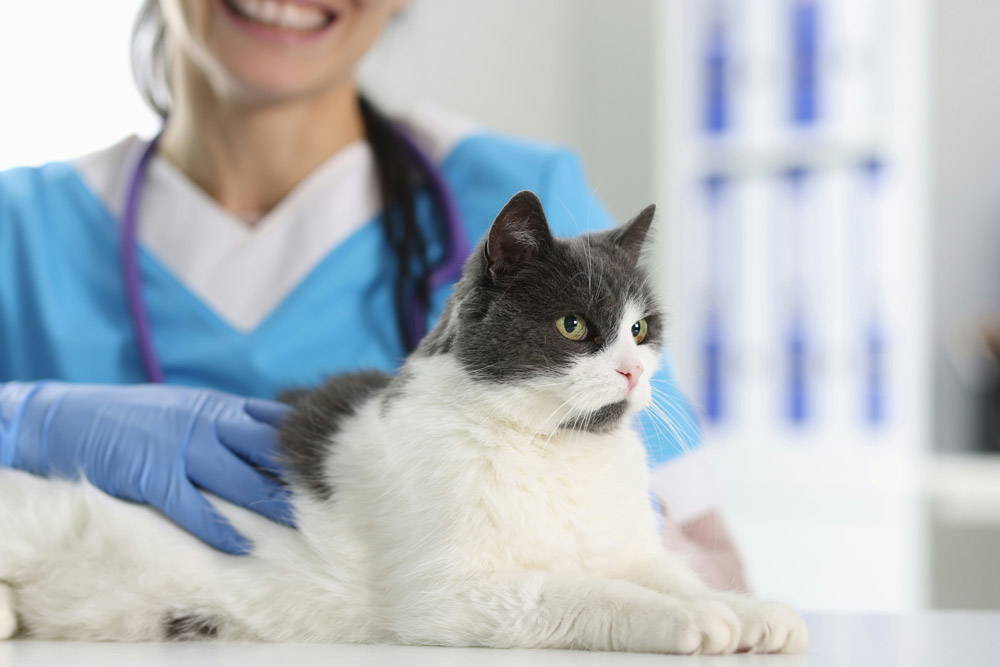
Can cats and dogs have different arthritis needs?
Yes. Dogs may show changes during walks, when getting up or when climbing into the car. Cats are more likely to adapt their routines quietly, such as choosing lower surfaces or grooming less. This means arthritis in cats can go unnoticed for some time.
Cats also need particular care when choosing medication. Your vet will consider their overall health, other medicines and any monitoring they may need before prescribing long-term pain relief. The 2024 ISFM/AAFP consensus guidance emphasises individual assessment, ongoing monitoring and a combination of medical treatment and practical changes at home.
When should you contact your vet?
Book an appointment if your pet is becoming stiff, slowing down, avoiding activities they previously enjoyed or showing any other change in mobility or behaviour. Do not assume these changes are simply part of getting older. Early assessment can help identify the cause and give your pet a better chance of staying comfortable and active.
Seek urgent veterinary advice if your pet suddenly cannot stand or walk, is in severe pain, has a sudden significant limp, or has experienced an injury. Sudden mobility problems should not be treated as routine arthritis. See these signs over-night, click here to learn about our out-of-hours service.
Help your pet enjoy a more comfortable winter
A few thoughtful changes can make everyday life easier for a pet with stiff or painful joints. Keeping them warm and comfortable, maintaining gentle exercise, managing their weight and making your home easier to navigate can all support mobility. Just as importantly, keep an eye out for changes and speak to your vet if something does not seem quite right.
Our veterinary team can assess your pet’s mobility and discuss a care plan suited to their age, health and lifestyle. If you are a member of our Sutton Bridge Pet Club, ask us how its routine-care benefits can support your pet’s ongoing preventative healthcare. Any arthritis assessment, investigations or treatment should be discussed with the practice so you understand what is included and what may be charged separately.
Worried about your pet’s stiff joints this winter? Contact us to arrange a check-up. We are here to help your pet stay as comfortable and active as possible.